
By: Dr. Richard Thompson, BA (Hon), DC, MBA
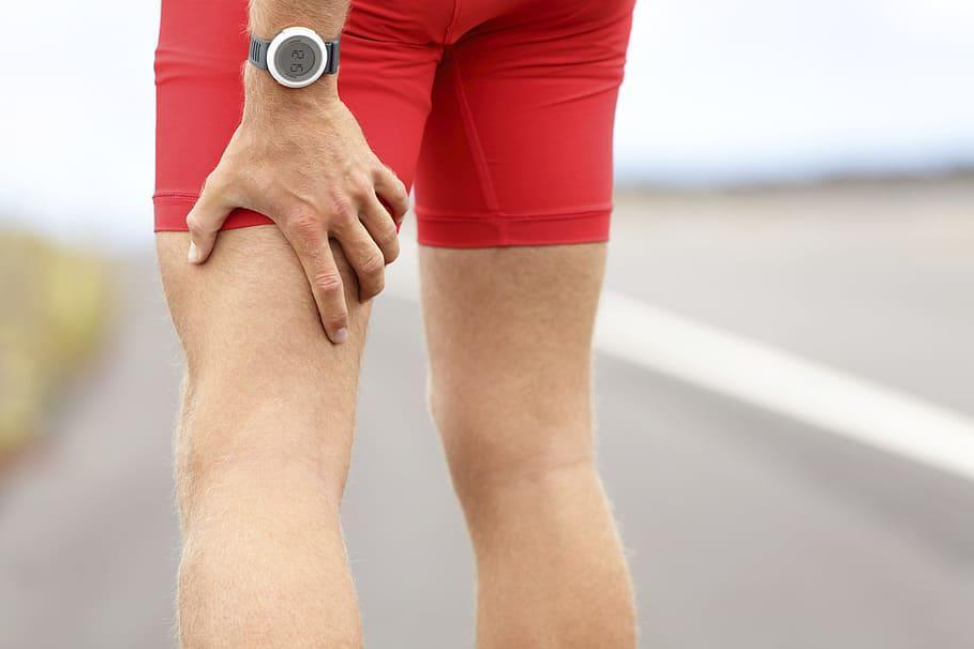
If you have ever felt a sharp, shooting pain that travels from your lower back, down through your glutes, past your knee and into your calf and foot, you know how debilitating it can be. Simple tasks like tying your shoes, sitting at your desk at work, or getting out of bed in the morning can feel monumental. Online searches for leg and lower back pain frequently lead patients to one terrifying word – sciatica.
But what exactly is sciatica and is it always the culprit behind your leg pain? As a clinical team helping patients navigate recovery, we often see people who assume any pain traveling down the leg is true sciatica. In reality, it is a bit more complex. Let’s break down what true sciatica actually is, what might be mimicking it, and the actionable steps you can take to manage it
What is True Sciatica?
It is a common misconception that sciatica is an independent medical condition or diagnosis. In healthcare terms, sciatica is a symptom, not a disease. It refers broadly to the irritation, inflammation, or compression of the sciatic nerve.
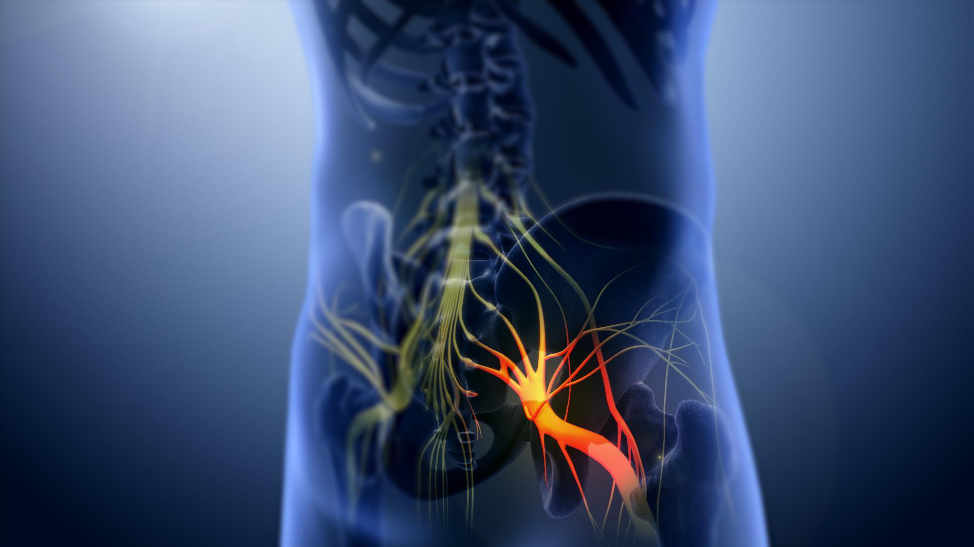
The sciatic nerve is the largest and longest nerve in the human body. It begins in your lower lumbar spine and sacrum, where five distinct nerve roots exit the spinal cord and bunch together. This thick nerve plexus then travels deep through the musculature of your buttocks, runs down the back of your thigh, and branches out all the way to your calves and toes.
When we talk about true sciatica (medically termed lumbar radiculopathy), we mean that the root cause of the nerve irritation is happening right at the source: the lower back. When a nerve root is physically compressed or chemically irritated from inflammation in the lumbar spine, it sends a cascading wave of neurological symptoms down the entire pathway of the nerve.
Common Symptoms of True Sciatica
● Unilateral Pain:: It almost always affects only one leg at a time.
● Distinct Pathway: The pain typically shoots past the knee, extending into the calf or foot. It feels like a lightning bolt of pain, not a dull, toothache-type of pain.
● Altered Sensation: You may experience burning, tingling, electrical shocks, or a “pins and needles” sensation.
● Neurological Deficits: In severe cases, you might notice muscle weakness in the leg or foot, leading to difficulty lifting your foot and/or toes (a condition known as foot drop).
The Primary Causes of Sciatica
To treat sciatica effectively, we have to look upstream at what is bothering the nerve roots in the lower back. The vast majority of true sciatica cases stem from a few specific mechanical changes in the lumbar spine:
1. Herniated or Bulging Discs
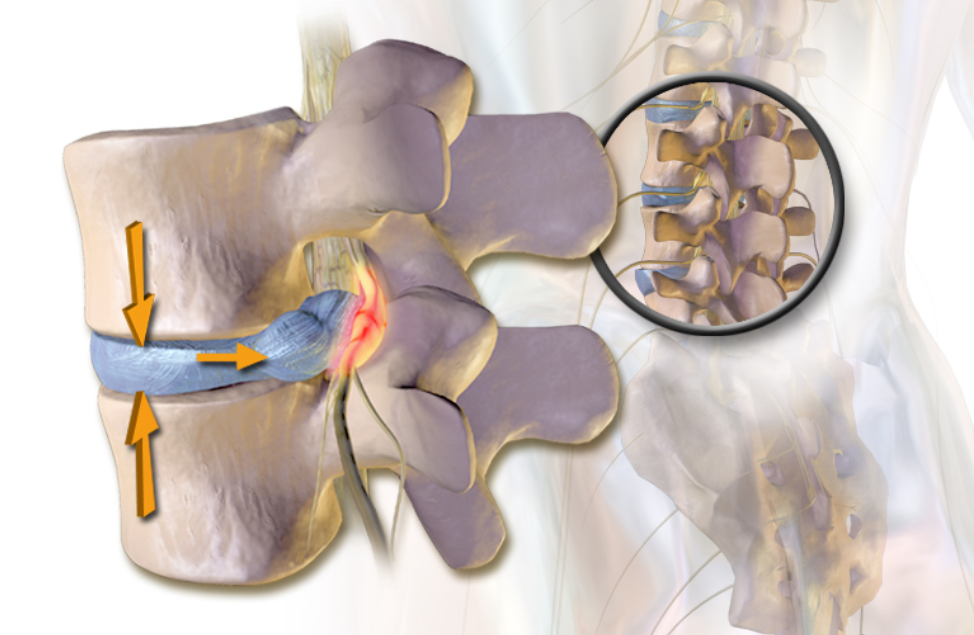
Your spinal discs act as shock absorbers between your vertebrae. They have a tough outer ring and a soft, jelly-like center. Due to wear and tear, sudden injury, or repetitive spinal loading, that inner jelly can bulge outward or herniate. If it presses directly against an adjacent lumbar nerve root, it triggers classic sciatica.
2. Spinal Stenosis
This is a narrowing of the spaces within your spine where the spinal cord or nerves travel. Commonly associated with natural age-related changes, bone spurs, or thickened ligaments, spinal stenosis can slowly crowd the nerve roots, leading to discomfort that often worsens when walking or standing for long periods.
3. Degenerative Disc Disease
As we age, spinal discs can naturally lose their water content and thin out. When the disc height decreases, the space between the vertebrae shrinks. This reduces the size of the exit pathways for your nerves, increasing the likelihood of friction and irritation.
The Pretenders: What Can Mimic Sciatica?
Because the human body is incredibly interconnected, several conditions can refer pain down the exact same pathway as the sciatic nerve, perfectly mimicking true sciatica. However, because the root issue isn’t a compressed nerve root in the spine, treating the lower back alone won’t provide relief.
Here are the most common “sciatica pretenders” we screen for in the clinic:
1. Piriformis Syndrome
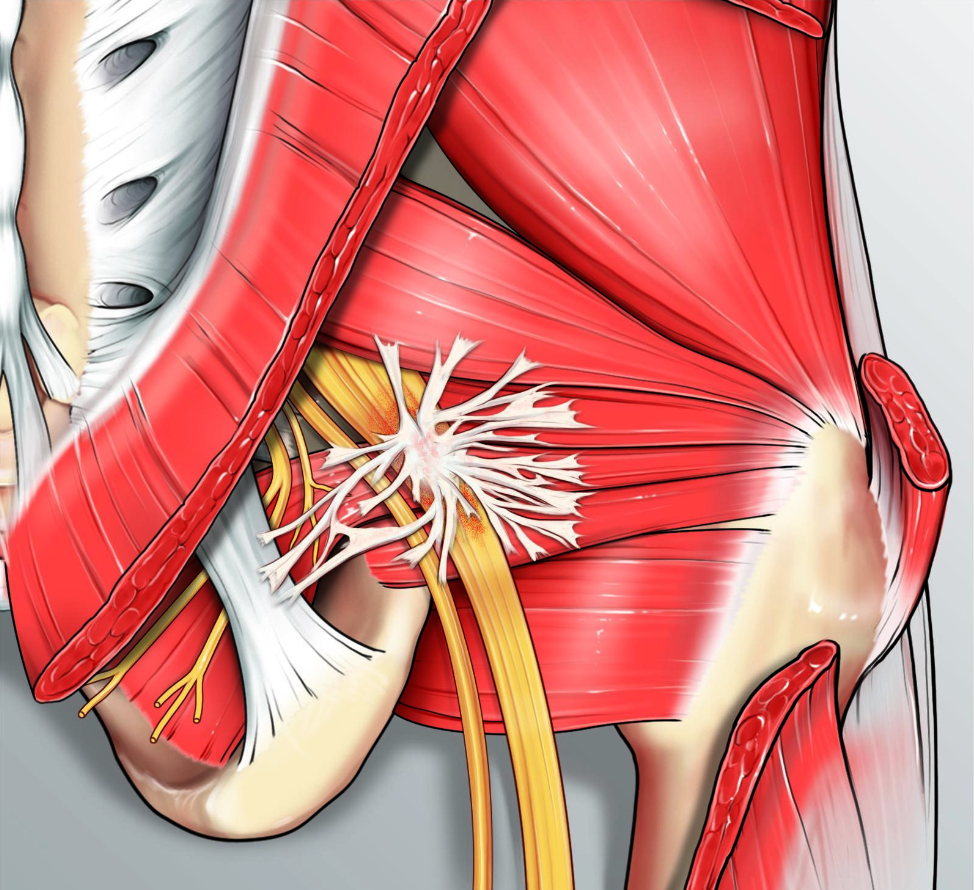
The piriformis is a small muscle located deep in the buttocks, sitting directly over (and in some people, running right through) the sciatic nerve. If this muscle becomes incredibly tight, spasmed, or inflamed due to prolonged sitting or glute weakness, it can physically pinch the sciatic nerve right in the gluteal region. The symptoms feel identical to sciatica, but the source is muscular, not spinal. To effectively target the condition, treatment needs to be directed at the piriformis (and/or other hip rotator muscles) in the buttock.
2. Sacroiliac (SI) Joint Dysfunction
Your SI joints connect your spine to your pelvis. If these joints become hypermobile (moving too much) or hypomobile (locked up and stiff), they can refer sharp, localized pain into the buttocks and down the back or side of the thigh. While the pain can feel deep and nerve-like, it rarely travels below the knee.
3. Deep Gluteal Syndrome & Muscle Knots
Active myofascial trigger points—or severe “knots”—in muscles like the gluteus medius or minimus can refer pain down the leg. If you’ve read our previous article on “How To Fix That Knot That’s Not Really a Knot,” you know how profoundly muscular tension can mimic complex structural issues.
How to Manage Sciatica: Finding Lasting Relief
The good news is that the vast majority of sciatica episodes resolve with conservative, non-invasive care. If you are currently dealing with a flare-up, a combined approach of active recovery and professional guidance is your best path forward.
Short-Term Relief Strategies
● Modify Your Movement: Avoid long periods of sitting, which increases pressure on the lumbar discs. If you must sit for work, change positions every 20 to 30 minutes or integrate a sit-stand workstation so that you can alternate between periods of standing and sitting through the day.
● Strategic Ice or Heat: In the first several days of an acute flare-up, applying an ice pack to the source of the problem (low-back, buttock, etc.) can help numb intense nerve pain and help reduce localized inflammation. Transitioning to heat can soothe surrounding muscle spasms but only once the initial inflammation has reduced significantly.
● The “Nerve Flossing” Technique: Nerve flossing involves gentle movements that glide the nerve back and forth through its pathway, reducing tension. A simple example involves sitting in a chair, slumping forward slightly, and gently extending your knee while looking up toward the ceiling, then bending the knee as you look down. This should only be performed with guidance from your healthcare provider once the nerve tension or compression has been sufficiently released.
Long-Term Management and Prevention
True resolution requires addressing structural alignment and muscular balance.
● Targeted Spinal Decompression: Conservative chiropractic care utilizes gentle, precise manual adjustments or distraction therapies to open up the joint spaces in your lower back, physically reducing the pressure on the compressed nerve roots.
● Soft Tissue Therapy: Utilizing therapeutic massage and myofascial release on the glutes, hamstrings, and lower back muscles can alleviate the compensatory muscle guarding that often locks sciatica pain in place. Active Release Techniques, a specialized manual therapy protocol, helps address the sciatic nerve compromise by treating both the soft-tissue cause while also mobilizing the nerve at the problem site at the same time.
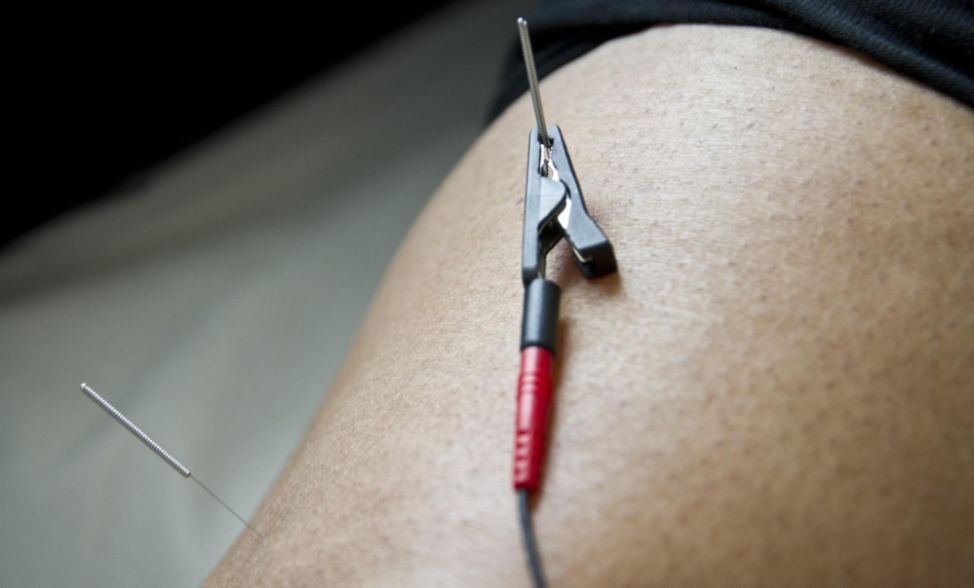
● Contemporary Medical Acupuncture (CAM): This form of acupuncture is based on traditional Chinese medicine (TCM) but bases the acupuncture application based on the diagnosis and anatomical structures involved in the injury. Electrostimulation of the needles is also often implemented. For sciatica, CAM focuses on targeting the site of the nerve irritation/entrapment along with the associated tissues with excellent effectiveness due to the depth of the treatment.
● Core and Stability Training: Building resilient core stability—focusing on muscles like the transversus abdominis and the glutes—creates a natural “brace” for your lower back, permanently taking the pressure off your lumbar discs.
When to Seek Immediate Medical Care
While most sciatica cases can be managed safely with conservative therapies, there are a few “red flag” symptoms that require urgent medical attention. If your leg pain is accompanied by a sudden loss of bowel or bladder control, progressive numbness in your groin/saddle area, or sudden, profound weakness that makes it impossible to stand or walk, seek emergency care immediately. These are signs of severe nerve
compression that require prompt medical intervention.
Take the First Step Toward Relief
You do not have to live with radiating leg pain or guess whether your discomfort is coming from your spine or your muscles. A thorough physical assessment is the safest, fastest way to pinpoint the exact source of your pain and build a roadmap back to comfortable movement. With all of the conditions we treat, a concise and accurate diagnosis is the key to getting quick results and preventing the condition from returning.
If you are tired of shooting pain dictating your day, our clinical team is here to help you find answers and get moving comfortably again.
